Foundering, or laminitis, is one of the most serious and feared conditions among horse owners. It involves inflammation of the laminae, the sensitive, leaf-like tissues inside the hoof that connect the hoof wall to the coffin bone. When these laminae become inflamed, they can no longer support the coffin bone, causing it to rotate or sink.
This leads to severe pain and lameness, especially in the front hooves. If untreated, the condition can quickly worsen, causing permanent damage or even becoming life-threatening. Once a horse has foundered, it’s also more likely to happen again, which makes understanding its causes and prevention critical.
In this article, we’ll explore the main causes of founder, including dietary, metabolic, and environmental factors. You’ll also learn the signs to watch for, prevention tips, and what treatments are available. Our aim is to provide horse owners with clear, straightforward guidance to help protect their horses from this painful condition.
What Is Founder (Laminitis)?
Founder, or laminitis, is the inflammation of the laminae in a horse’s hoof. The laminae act like Velcro, securing the hoof wall to the coffin bone. In a healthy hoof, they provide support for the horse’s body weight. When inflamed, this bond weakens due to disrupted blood flow, allowing the coffin bone to rotate or sink within the hoof. This is intensely painful and can result in lameness and a reluctance to move. Horses may adopt a "sawhorse" stance to relieve pressure on their front feet.
Founder can be acute (sudden and severe) or chronic (long-term structural changes). Though some use "laminitis" to describe early inflammation and "founder" for advanced cases, both terms are often used interchangeably. The bottom line: this condition can be crippling if not treated early.
Why is founder so serious? Horses are heavy animals with relatively small feet. Damage to the hoof’s internal structure affects the entire animal’s ability to move. A 1998 USDA survey found that 13% of U.S. horse operations reported cases of laminitis, and 5% of those resulted in death or euthanasia. Even surviving horses often face long recoveries or permanent lameness.
Who’s at Risk of Foundering?
Any horse can founder under the wrong circumstances, but some are more prone than others. Overweight horses and those with metabolic issues are at much higher risk. Horses with Equine Metabolic Syndrome (EMS) or Cushing’s disease (PPID) often have insulin regulation problems, which are strongly linked to laminitis.
Age and breed also matter. Older horses (especially over 15 years) and certain breeds like ponies, Morgans, Arabians, and draft horses are more likely to have insulin resistance. These horses require careful management to avoid founder.
Founder is usually triggered by specific conditions related to diet, illness, or injury. Understanding these causes is essential to preventing the disease.
Common Causes of Founder
1. Carbohydrate Overload
Excess grain or rich pasture can overwhelm the horse’s digestive system. Horses are designed to digest fiber slowly, not large amounts of sugar and starch. When they consume too much grain or sugar-rich grass, the undigested carbohydrates reach the hindgut, where they ferment and release toxins. This process, called hindgut acidosis, leads to laminar inflammation.
- Grain overload can occur if a horse breaks into the feed room or is overfed. Laminitis may follow within 24–72 hours.
- Rich pasture in spring and fall contains high levels of sugar (fructans). This is a leading cause of "grass founder."
- Sugary treats or feeds (e.g., apples, candies, sweet feed) can also contribute, especially in insulin-resistant horses.
2. Obesity and Metabolic Disorders
More than 90% of founder cases are linked to hormonal or metabolic imbalances, particularly those involving insulin.
- Equine Metabolic Syndrome (EMS) is common in overweight or easy-keeper horses. These horses have insulin resistance, causing dangerously high insulin levels that directly trigger laminitis.
- Cushing’s Disease (PPID) affects older horses and leads to hormone imbalances and insulin issues. Laminitis may be one of the first symptoms.
- Obesity increases founder risk by promoting insulin resistance and placing extra strain on the feet. Maintaining a healthy weight is essential.
3. Systemic Illness, Stress, or Toxins
Laminitis can also occur as a secondary complication of another illness.
- Colic or intestinal illness may release toxins into the bloodstream, triggering inflammation in the feet.
- Retained placenta in mares can cause uterine infection and endotoxemia, leading to "foal-bed founder."
- Severe infections like pneumonia or Potomac Horse Fever are also known to cause founder.
- Toxins such as black walnut shavings are direct triggers. Even small amounts can induce laminitis.
- Cold water ingestion after heavy work, or accidental ingestion of non-horse feeds (like chicken feed), are other examples.
4. Mechanical Overload
Founder can result from excessive weight-bearing or trauma to one hoof.
- Supporting-limb laminitis occurs when a horse avoids bearing weight on an injured leg, placing excessive stress on the opposite leg.
- Hard ground or road work can cause trauma to the laminae, leading to "road founder."
- Excess body weight and poor hoof trimming may also contribute by creating chronic strain on the hoof structure.
5. Other Contributing Factors
- Lack of exercise reduces hoof circulation and worsens weight gain.
- Transport stress and long stall confinement may contribute indirectly.
- Previous laminitis episodes increase the risk of recurrence.
- Seasonal changes in pasture sugar content (especially spring/fall) correlate with laminitis outbreaks.
Recognizing the Signs of Founder
Early detection is critical. Signs include:
- Lameness or a "walking on eggshells" gait
- Sawhorse stance with front legs stretched forward
- Heat in the hoof and a strong digital pulse
- Pain response when using hoof testers
- Trouble turning or lifting hooves
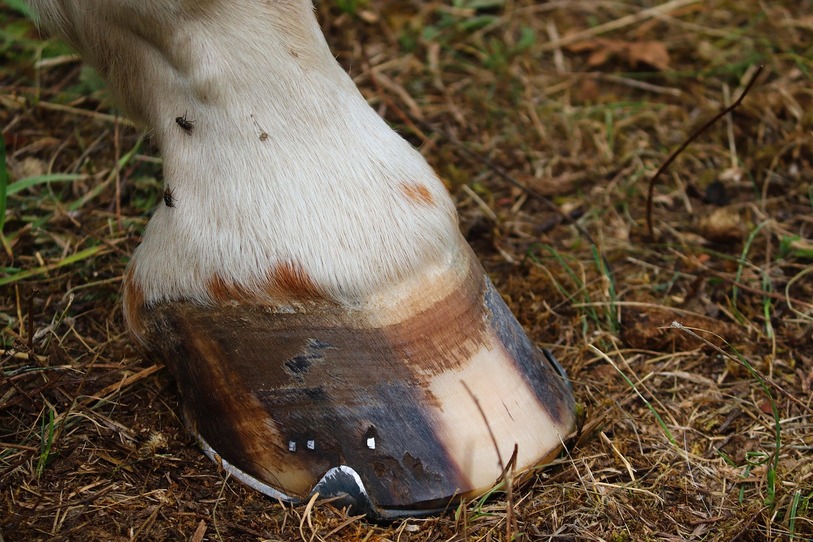
- Visible hoof changes like divergent growth rings, dished hoof wall, or widened white line
In mild cases, symptoms may be subtle. If you suspect founder, call a veterinarian immediately.
Treatment: What to Do If Your Horse Founders
Founder is a veterinary emergency. Early intervention improves outcomes.
- Call your vet immediately. While waiting, move the horse to soft footing and apply cold therapy to the hooves.
- Anti-inflammatories like phenylbutazone or Banamine reduce pain and inflammation.
- Treat the root cause. This may involve gastric lavage (grain overload), antibiotics (infection), or hormonal management (EMS, PPID).
- Farrier support includes padded shoes, therapeutic trimming, or special shoeing to reduce pressure on the laminae.
- Strict stall rest on soft bedding prevents further laminar damage.
- Adjust the diet to low-sugar, low-starch forage. Remove grain and treats. Weight loss may be necessary.
- Additional therapies may include vasodilators, cryotherapy, and in severe cases, surgery (such as deep digital flexor tenotomy).
In cases of extreme damage or unrelieved pain, euthanasia may be the most humane option. However, many horses recover with time, care, and strict management.
Prevention: How to Avoid Founder
Prevention is far easier than treatment. Key steps include:
- Maintain a healthy weight and avoid overfeeding.
- Limit access to lush pasture, especially in spring and fall.
- Use slow-feed hay nets and low-NSC forage.
- Exercise your horse regularly to support weight and insulin regulation.
- Keep up with regular hoof trimming and farrier visits.
- Screen older horses for metabolic conditions and manage them proactively.
- Avoid known toxins like black walnut.
- After illness or injury, take preventive steps like cryotherapy or hoof support.
Founder is a painful, often preventable condition that requires immediate attention. By understanding the causes and being vigilant about prevention, you can protect your horse from the devastating effects of laminitis. Feed smart, maintain healthy weight, and work closely with your vet and farrier to catch issues early. With proactive care, your horse can enjoy a long, sound life free of laminitis.