Revolutionizing Equine Recovery - How Horse Health & Wellbeing Is Being Bettered With Hyperbaric Oxygen Therapy
Understanding Injuries and Modern Healing for Horses
Over centuries of domestication, we’ve come to better understand the complex health challenges our horses face - whether they’re elite performance animals, like racehorses or show jumpers, or beloved companions and trail partners. In this article, we’ll explore common injuries and conditions horses often suffer, the traditional treatments used to manage them, and an innovative therapy that is proving to dramatically speed up recovery and improve outcomes.
Common Equine Health Conditions and Traditional Treatment Approaches
Laminitis
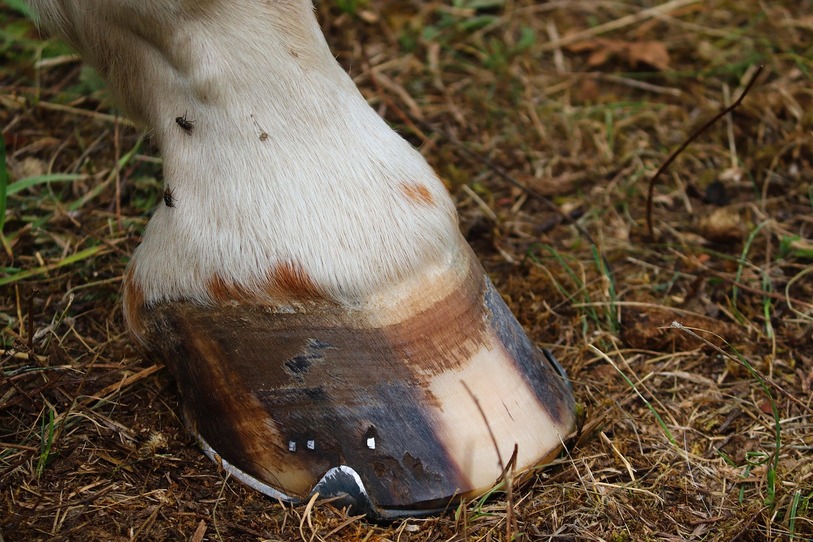
Laminitis is a painful and often devastating inflammatory condition within the hoof’s sensitive tissue. It can lead to long-term suffering and, in severe cases, even become life-threatening. Laminitis frequently affects “easy keepers” that consume more sugar than they burn off, leading to storage rather than energy expenditure. However, any horse can develop laminitis when blood sugar runs too high, much like Type 2 diabetes in humans.
“It often recurs in individual animals and around 15% of equine deaths in the UK are linked to laminitis.”
Source: Royal Veterinary College, University of London, August 2023
Recent research highlighted just how common it is:
“One in 10 horses or ponies may develop at least one laminitis episode each year, making it just as common as colic, according to a new study led by Dr. Danica Pollard, a PhD student at the Royal Veterinary College.”
Source: Royal Veterinary College, University of London, August 2023
Traditional solutions: Stall rest, anti-inflammatory medications, corrective shoeing, and tightly managed diets.
Limitations: Recovery is often slow, recurrence is common, and severe cases may still result in euthanasia.
Tendon and Ligament Injuries
“Both ligaments and tendons can be injured through sudden traumatic accidents or ongoing stress caused by overworking the muscles or joints. These kinds of injuries can cause severe pain and lameness that prevent the horse from moving easily.”
Source: Park City Equine.com, May 2025
Athletic horses, particularly racehorses and sport horses, often suffer from tendon strains, ligament tears, and pulled muscles. These structures endure extreme loads and heal slowly. Scar tissue can also leave the repaired area weaker, raising the risk of reinjury.
Traditional solutions: Rest, gradual rehabilitation, ultrasound therapy, and regenerative treatments such as stem cell therapy or platelet-rich plasma (PRP).
Limitations: Recovery may take months, and reinjury rates remain high due to incomplete tissue healing.
Bone and Joint Infections
Conditions like septic arthritis and osteomyelitis affect horses of all ages, even foals. These infections invade joints and bones, where it’s difficult for systemic antibiotics to penetrate, often leading to chronic lameness or euthanasia.
One common example is synovial infection (in joints, bursae, and tendon sheaths).
“Overall, synovial infections have a good prognosis, with between 84-90% of adult horses recovering with appropriate treatment. Around 50% of horses return to their previous athletic performance, with some studies showing as high as 89% returning to some level of athletic function.”
Source: Dr. Madison Ricard, DVM, PhD, DACVP, PAS, Jan 2024
Traditional solutions: Intensive antibiotic treatments, joint flushing, and surgical debridement.
Limitations: Antibiotics struggle to reach avascular bone areas, and persistent infection is common.
Respiratory and Circulatory Issues
Respiratory problems are widespread among horses. Infectious conditions, like influenza or strangles, can affect any age group, particularly young horses in close quarters with underdeveloped immune systems.
Non-infectious issues - such as inflammatory airway disease or equine asthma (previously known as RAO, COPD, or “heaves”) - are often triggered by allergens in stables.
Traditional solutions: Antibiotics, anti-inflammatories, rest, and oxygen therapy.
Limitations: Standard oxygen therapy doesn’t always reach damaged or inflamed tissue effectively, delaying recovery and potentially impacting performance long-term.
Gastrointestinal and Post-Surgical Recovery
“Perioperative complications contribute to equine morbidity and mortality, and are a significant concern for horse owners and veterinary surgeons alike. Postoperative complications can prolong recovery, increase cost, decrease the quality of life for the patient and negatively impact survival (Tyma and Epstein, 2023).”
Source: Kate Loomes, Vet Times, May 2024
Post-surgical complications - especially gastrointestinal ones - are a major concern. Colic, diarrhea, reduced gut motility, and ileus are common, particularly following colic surgery. Horses may also face cardiovascular, respiratory, or musculoskeletal complications post-op.
Traditional solutions: Surgical correction, IV fluids, and medications to restore gut movement.
Limitations: Healing is slow, complications frequent, and setbacks can occur during rehab.
Neurological and Foal Conditions
“Neonatal encephalopathy (dummy foal syndrome) is the most common cause of neurological signs in neonatal foals. However, there are a wide variety of other causes that may be overlooked, including infections, traumatic, metabolic and congenital causes.”
Source: Vet Equine.com, Jan 2022
Neurological injuries, such as perinatal asphyxia, head trauma, or neuropathies, require intensive care and often come with uncertain outcomes.
Traditional solutions: Oxygen therapy, IV fluids, anticonvulsants, and supportive care.
Limitations: Nervous tissue heals very slowly, and long-term deficits are common.
A New Way to Heal Your Horse: Pegasus Hyperbaric Chambers
What Is Hyperbaric Oxygen Therapy?
The Pegasus Hyperbaric Oxygen Therapy (HBOT) chamber represents one of the most advanced equine therapies available today. Already in use across the United States, Dubai, and other leading equine centers worldwide, it delivers impressive results at the highest levels of equine performance.
John Dimmock, founder and design engineer of Hyperbaric Cryotherapy Resources Ltd, has spent decades refining the PEGASUS HBOT into a cutting-edge therapy now considered the gold standard in equine recovery.
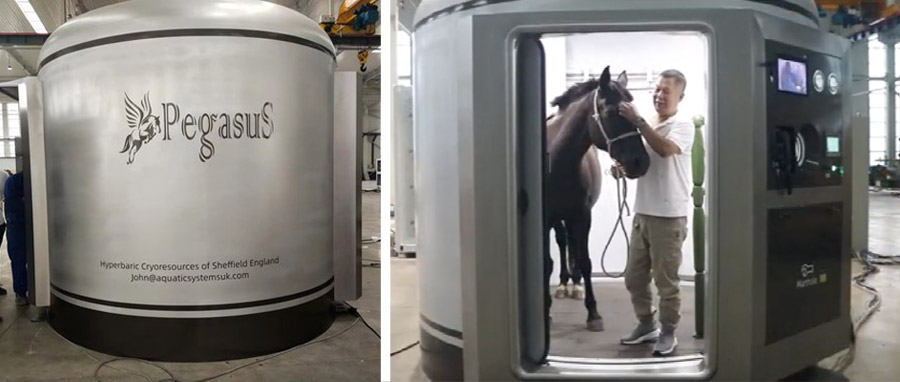
HBOT exposes horses to higher atmospheric pressure and concentrated oxygen, dramatically boosting oxygen delivery to tissues, reducing inflammation, and accelerating healing.
Elite human athletes such as Cristiano Ronaldo and LeBron James also use hyperbaric therapy to stay in peak condition and recover quickly.
Find out more about Hyperbaric Chambers: Watch this video now >
Features and Benefits of Hyperbaric Oxygen Therapy for Horses
- Improved wound healing: Boosts oxygenation to damaged tissues.
- Reduced inflammation: Oxygen levels up to 93% help manage conditions like arthritis, tendonitis, and laminitis.
- Faster recovery from injuries: Supports tendon and ligament repair while minimizing scar tissue.
- Infection treatment: Enhances the body’s ability to fight bacterial infections and aids in post-surgical recovery.
- Performance enhancement: Improves oxygen delivery to muscles after exercise.
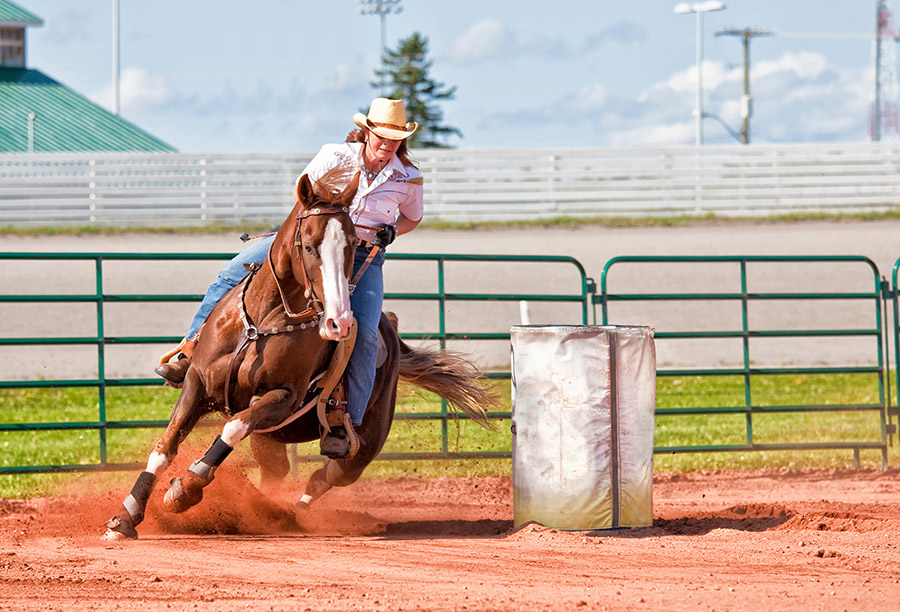
- Breeding support: Promotes circulation and healing during breeding processes.
- Condition-specific benefits: Proven effective for laminitis, hoof injuries, ligament damage, and osteomyelitis.
- All-age effectiveness: Works equally well for young colts and veteran horses over 20 years old.
Research Supporting HBOT in Equine Medicine
- Journal of Equine Veterinary Science (2008): “Hyperbaric oxygen therapy appears to be a promising adjunctive treatment for a variety of equine disorders, including laminitis and other ischemic injuries." [Source: Researchgate.net, 2008]
- Veterinary Clinics of North America: Equine Practice (2016): HBOT is considered "a safe treatment option with very few side effects when administered properly." [Source: PubMed, 2019]
- Journal of Equine Veterinary Science (2023): HBOT reduced healing times by 25-30% across multiple conditions.
- Hagyard Equine Medical Institute study: Horses treated with HBOT for tendon and ligament injuries returned to training six weeks earlier on average than those receiving standard care alone.
Conclusion
Equine health challenges are complex, and while traditional treatments remain crucial, they often fall short of restoring full function quickly. Hyperbaric oxygen therapy accelerates healing, reduces complications, and helps horses return to peak performance.
Whether you run an equine rehabilitation facility, manage racehorses, or train performance horses, HBOT can take your program to the next level.
Want to find out more about Pegasus Hyperbaric Chambers?
Please contact our team below:
View our website here: https://hyperbaricresource.com/
Contact Us
Sales & Customer Support
George Lapierre: (+1) 407 592 8096 | hcrusa2023@gmail.com
Technical Enquiries
John Dimmock: (+44) 7847 520 057 | john@hyperbaricresource.com
Disclaimer
This article is for educational purposes only and is not a substitute for professional veterinary advice. Always consult a licensed veterinarian for diagnosis and treatment of equine conditions.