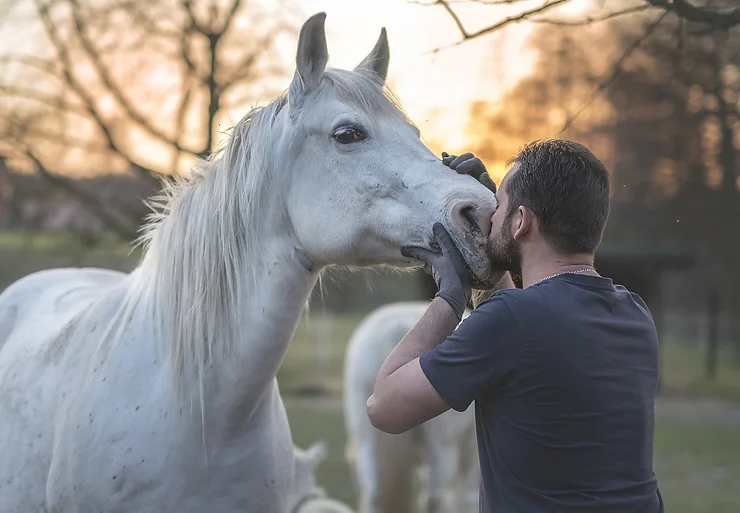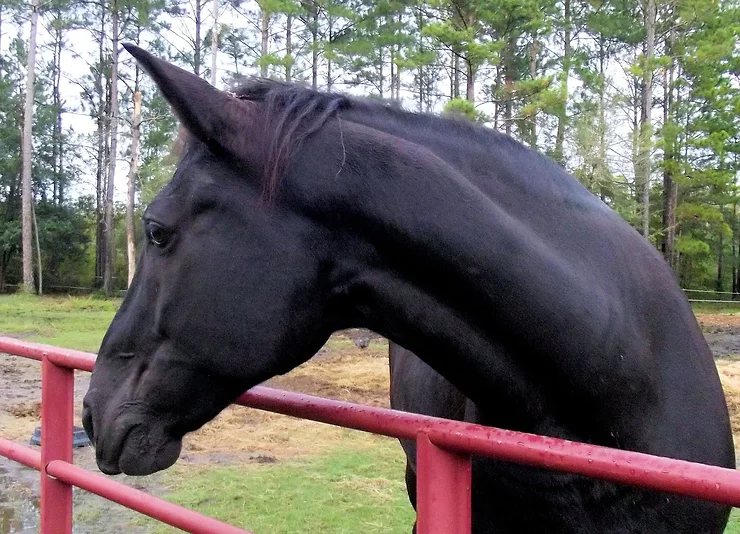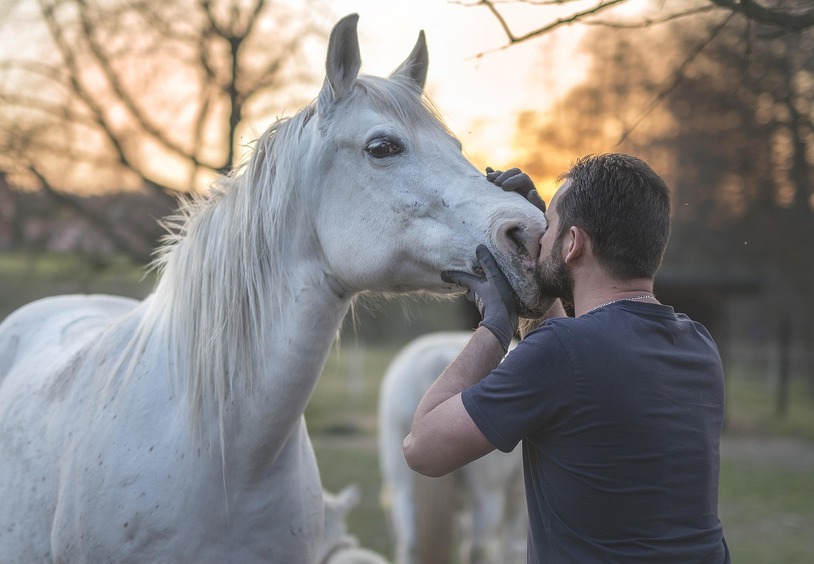
Building a bond with a horse is a rewarding experience. If you're a new or intermediate horse owner, you might wonder how to get your horse to genuinely like you. Horses are social, sensitive animals. While they don't form opinions in the same way humans do, they do react strongly to how you make them feel. Equine specialist Ginny Telego explains, "Horses don't like or dislike you. They like or dislike what you're doing or how you're doing it... If you want a horse to 'like' you, you need to interact with them in a way that makes them feel safe so that they trust you."
In other words, the foundation of a horse's affection is trust and safety. Research shows that horses experience positive emotions and even lower heart rates when around familiar, trusted humans. This guide outlines proven ways to earn a horse's trust and help it enjoy your presence, along with signs that show your horse truly likes you.
Understanding a Horse's Trust and Affection
When a horse "likes" you, it means it trusts, respects, and feels comfortable around you. As prey animals, horses are always reading your body language and energy to assess whether you're a threat or a friend. When a horse feels relaxed in your presence, it's a sign you've earned its trust.
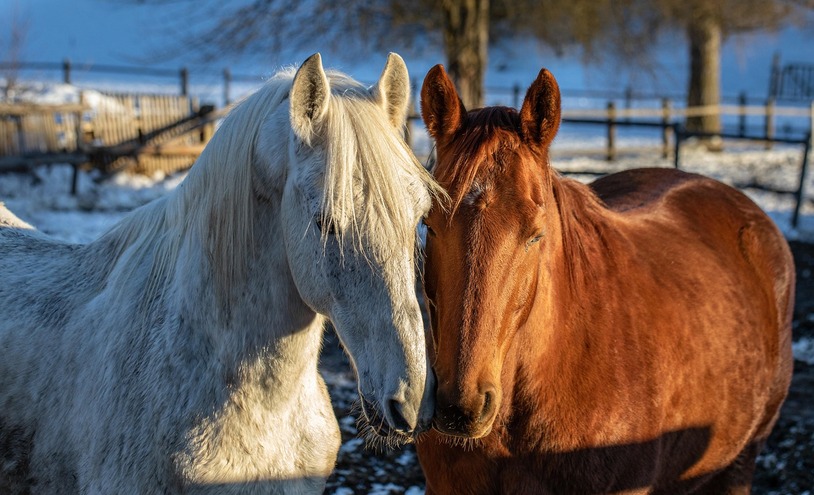
A trusting horse may nicker when it hears you, follow you in the pasture, or gently nuzzle you. These are clear signs of affection. Horses also express trust with body language: soft eyes, lowered head, a cocked hind leg, or choosing to lie down near you. Some might nuzzle, nibble playfully, or blow warm air through their nostrils, mimicking herd greetings. These behaviors indicate safety and connection.
1. Spend Quality Time Together
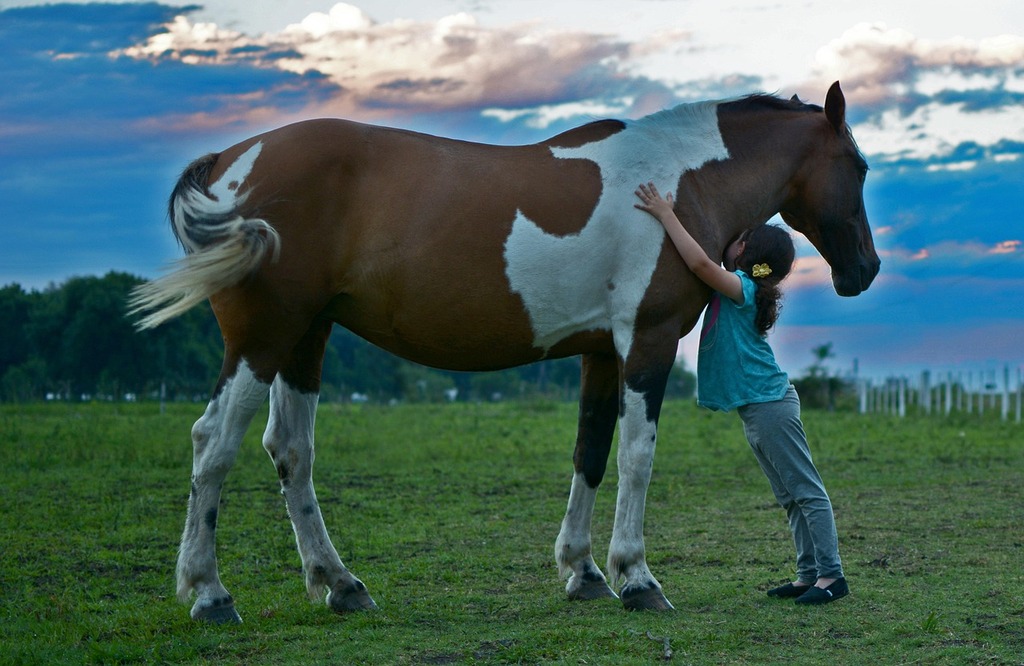
Horses bond through consistent, positive time spent with you. Just riding occasionally isn't enough. Visit often, groom, hand-graze, or simply sit nearby while your horse relaxes. This type of low-pressure presence helps your horse associate you with calm, enjoyable experiences.
Whether it's trail riding, groundwork, or quiet companionship, these shared moments build your horse's trust. Over time, your horse will look forward to your presence.
2. Be Calm and Gentle in Your Approach
Horses are sensitive to your emotions and body language. If you approach with anxiety or frustration, your horse will pick up on it. Instead, approach with a calm, relaxed posture and a soft voice. Move slowly and avoid sudden gestures.
A good introduction includes extending your hand for the horse to sniff rather than reaching straight for its face. Approach from the front or side and start with gentle scratches on the withers or shoulder. These thoughtful, consistent behaviors show the horse you are not a threat.
3. Use Treats Thoughtfully
Treats can create positive associations but should be used sparingly. Offer them as rewards for good behavior, not bribes. For example, give a carrot after a good training session or when your horse comes to you in the pasture.
Always use an open palm to avoid accidental nips, and ask for a polite behavior before giving the treat. Mix up rewards; sometimes use treats, other times offer a scratch or kind words, so your horse doesn't rely solely on food for connection.
4. Groom and Care for Your Horse
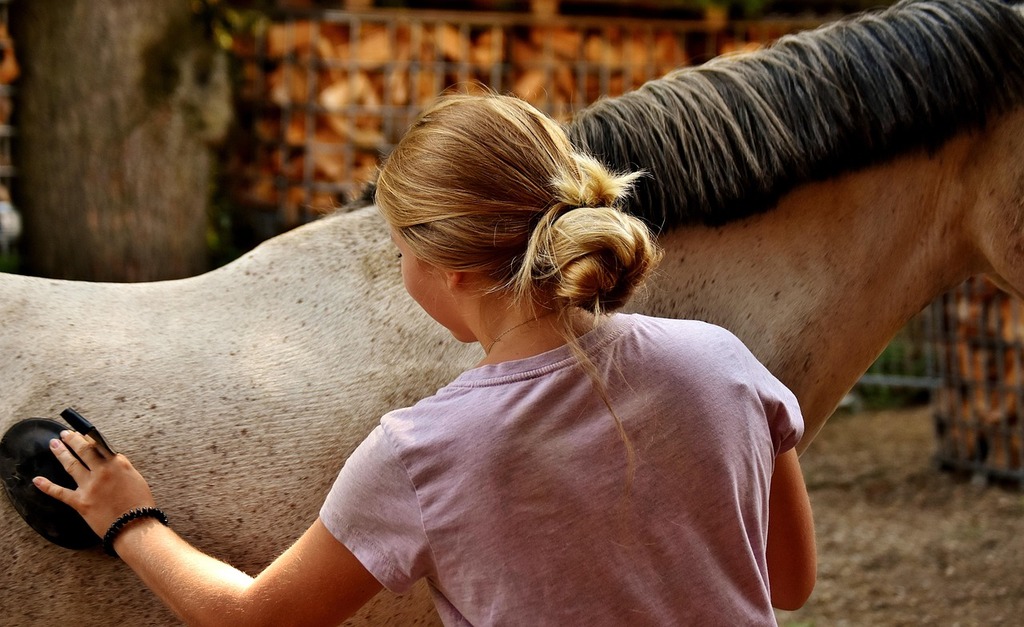
Grooming is one of the most effective bonding activities. Horses in the wild groom each other to build friendships, and brushing your horse mimics this behavior. Most horses enjoy grooming, especially when you scratch their favorite spots.
Speak softly during grooming, pay attention to what your horse enjoys, and ensure they are physically comfortable. A horse that associates you with relief and pleasure is more likely to feel affection toward you.
5. Learn to Understand Horse Body Language
Pay attention to your horse's cues. Pinned ears, tense muscles, or swishing tails can indicate discomfort. Relaxed ears, licking, and chewing suggest calmness and engagement. Adjust your approach based on these signals.
Respecting your horse's preferences builds mutual understanding. For instance, if your horse dislikes face-petting, try scratching the chest or withers instead. When you respond appropriately, your horse learns that you're listening.
6. Provide Consistent, Positive Training
Consistency builds security. Horses thrive when they know what to expect. Use gentle cues and positive reinforcement to create predictable interactions. Correct unwanted behavior calmly and reward positive behavior immediately.
Avoid punishment or harsh corrections. Instead, guide your horse with fairness and kindness. Regular routines, such as feeding and turnout, also help your horse feel safe with you.
7. Be Patient
Trust takes time. Some horses warm up quickly, while others need weeks or months to feel secure. Be patient, especially with horses who have experienced trauma or poor handling in the past.
Celebrate small signs of progress, like your horse approaching you or relaxing during grooming. If needed, work with a trainer or behaviorist for extra support. Never rush or force the process.
8. Include Play and Fun
Incorporate enjoyable, pressure-free activities into your routine. Play could mean exploring obstacles, liberty games, or a relaxed trail ride. Some horses enjoy chasing a ball or doing simple tricks. These experiences add variety and fun, which deepen your bond.
Even small games, like walking away to see if your horse follows, can build connection. Let your horse enjoy your company in different ways beyond work.
9. Show Affection on Their Terms
Many horses enjoy affection, but it's essential to respect individual preferences. Focus on what your horse likes; gentle scratches on favored spots, kind words, or quiet companionship. Avoid overwhelming your horse with unwanted touch.
Affection should feel good to both of you. Pay attention to your horse's reactions and adjust accordingly. A soft voice and slow movements go a long way in showing care.
10. Respect Their Boundaries
Just as affection is important, so is space. Don't crowd or overwhelm your horse, especially during sensitive moments like eating or resting. Watch for signs your horse wants space and respect them.
During training, if your horse shows signs of stress, pause and reassess. Giving your horse choices and listening when they say "no" builds trust. Respect leads to a stronger, safer bond.
Signs Your Horse Likes You
A horse that likes you may:
- Approach you willingly
- Follow you without a lead
- Display relaxed body language
- Nicker or whinny when they see you
- Gently nuzzle or groom you
- Respect your space without being pushy
- Lie down or rest near you
- Blow soft breath through their nostrils toward you
These behaviors signal trust, comfort, and connection.
Getting a horse to like you is about trust, not tricks. Spend time with your horse, stay calm and patient, and show consistent care. Be mindful of their needs, respect their preferences, and celebrate every step of progress.
Over time, your horse will learn that you're a safe and enjoyable presence. And when your horse chooses to come to you, rest nearby, or greet you with a happy nicker, you'll know the bond is real. The journey of building that bond is not only deeply rewarding, it transforms you into the kind of horseperson every horse would want as a friend.
If you're looking for horses for sale in the USA, HorseClicks has thousands of horses and ponies listed from breeders and private sellers right across the country.